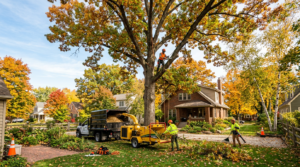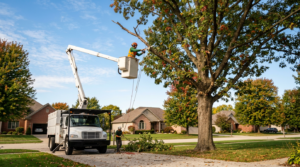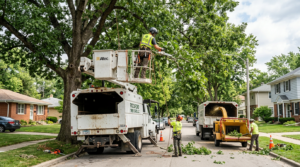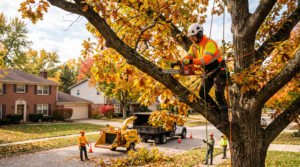

Severe thunderstorms and a record-breaking tornado season have left a trail of destruction across Northern Illinois this July. From Rockton to downtown Rockford, residents are facing significant property damage caused by downed trees and power lines. For homeowners in Winnebago County, understanding how to safely navigate the aftermath of a storm is critical for both property value and personal safety.
Executive Summary
Illinois is experiencing an unprecedented surge in severe weather, with significant tree and power line damage reported throughout the Rockford area this July. Safe storm recovery requires immediate assessment of hazards like downed power lines, professional evaluation of damaged trees, and precise cleanup to prevent long-term property issues. Flying W Tree Service provides expert, safety-first storm cleanup to help the Rockford community recover quickly.
Key Questions Answered
- What are the immediate hazards after a storm? Downed power lines and unstable trees or hanging branches (widow-makers) pose the greatest immediate risks to safety.
- Should I remove a storm-damaged tree myself? No. Trees under tension or leaning against structures require specialized equipment and certified arborists to avoid serious injury or further damage.
- Does insurance cover storm-related tree removal? Typically, insurance covers removal if the tree has fallen on a covered structure like a home, garage, or fence.
The Rise of Severe Summer Storms in Northern Illinois
July 2026 has already secured its place in the record books for severe weather in Illinois. Recent reports from WREX and the National Weather Service highlight a line of severe thunderstorms that tore through Rockton and Rockford on July 3rd, snapping utility poles and uprooting mature trees onto homes. With Illinois breaking tornado records this year, the frequency and intensity of these events have forced a shift in how we manage our urban and residential forests.
These storms aren’t just one-off events; they are part of a broader pattern of volatile weather that demands proactive tree care. Mature oaks and maples, common in Rockford neighborhoods, provide immense beauty but also present significant risks when caught in high-velocity winds or torrential rains.
Managing Tree Damage in Practice
When the clouds clear, the work begins. Safe storm recovery follows a specific hierarchy of actions to ensure no one is hurt during the cleanup process. First and foremost, homeowners must stay clear of any standing water near downed power lines. Contacting companies like ComEd or Rock Energy Cooperative is the first step if lines are involved.
Once the area is safe from electrical hazards, the focus shifts to tree stability. Arborists look for signs of “root heave”—where the soil around the base of the tree is lifting—or structural cracks in the trunk. Pruning “hangers” or branches that have snapped but haven’t fallen is also a priority, as these can fall at any moment without warning.
Tailored Solutions for Your Property
Recovery is not a one-size-fits-all process. The strategy for your yard depends on several factors:
- Scale of Damage: Single branch removal versus full site clearing of multiple uprooted trees.
- Proximity to Structures: Trees leaning on roofs or power lines require specialized bucket trucks and crane services.
- Species Specifics: Some trees, like silver maples, are more prone to limb failure and may require more aggressive preventative trimming for future storms.
- Budget and Insurance: Working with professionals who provide clear, honest pricing helps in filing accurate insurance claims.
Why Choose Flying W Tree Service for Your Storm Recovery
Since 1972, Flying W Tree Service has been a trusted partner for Rockford residents during their most challenging times. Our team brings over 50 years of experience and top-grade equipment—including 75-foot bucket trucks and high-capacity log loaders—to every project. We understand the local landscape and the specific stress Illinois weather puts on our trees.
From thorough cleanup to providing free, transparent estimates, we take the stress out of storm damage. Our certified experts handle every job with precision and pride, ensuring your property is safe, clean, and beautiful once again.
Conclusion
Recovering from severe storms is about more than just moving debris; it’s about restoring safety and peace of mind. As Rockford continues to navigate this record-breaking storm season, having a professional team like Flying W Tree Service on your side makes all the difference. We combine decades of expertise with a commitment to the local community to solve your tree care problems quickly and safely.
FAQ
Q: How long does storm cleanup take?
A: It varies by damage level, but emergency removals are often prioritized and completed within 24-48 hours of initial assessment.
Q: Will my tree survive if it lost half its branches?
A: Many trees can survive if the main trunk is intact and more than 50% of the crown remains. A professional arborist assessment is recommended.
Q: What should I do with the wood after removal?
A: Flying W Tree Service offers full debris removal and stump grinding, or we can leave the wood for you to use as mulch or firewood.