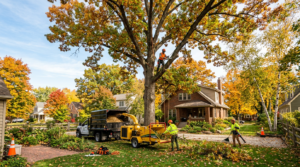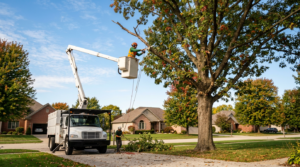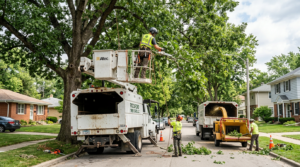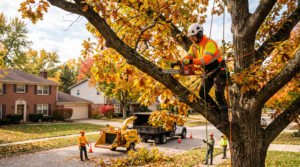

Regular yard care protects your home structures and extends the lifespan of your green assets. Left alone, thick branches grow heavy and snap during storms, causing expensive structural damage to roofs and power lines. Regular pruning eliminates weak spots, deters pests, and allows wind to pass through safely. Property owners who maintain their yards save money on sudden repairs and keep their soil and turf healthy for decades.
How Regular Branch Removal Stops Property Damage?
Overgrown limbs hanging over a house pose a direct threat to shingles and siding. Strong winds rub rough bark against roofing materials, scrape away protective granules, and create leaks. Removing these heavy limbs keeps your home structure safe from sudden impacts.
Property owners in Rockford, Illinois frequently experience sudden weather shifts that test building durability. When heavy ice accumulation or summer storms strike, weak branches snap under the weight. A fallen limb can break window glass, smash through gutters, and puncture garage structures. Regular maintenance removes these hazardous elements before they can detach.
Clearing away low-hanging foliage also creates a clear perimeter around your siding. Damp leaves touching a home trap moisture against the exterior walls. This moisture leads to wood rot, paint failure, and mold growth on your siding. Keeping a clean clearance space allows airflow to dry the building exterior quickly after rainfall.
Why Does Clean Cutting Prevent Wood Decay?
Incorrect cuts leave jagged edges and torn bark that cannot heal properly. Open tears expose the internal wood to spores and fungal infections that rot the trunk from the inside. Clean, professional cuts allow the plant to seal the wound naturally and stay strong.
Fungus thrives in wet, ragged wood tears left by poor pruning or accidental snaps. Once rot enters the main trunk, the structural integrity of the plant drops fast. The interior wood turns soft and spongy over time, which compromises the stability of the entire system. Professional technicians use sharp tools to make smooth cuts at the exact angle needed for rapid bark recovery.
Plants possess a natural defense system that seals off damaged areas to stop the spread of rot. A clean cut allows the collar to grow over the wound and create a protective barrier. This natural seal blocks water, insects, and bacteria from entering the inner rings. Proper cuts keep the plant healthy so it stands firm for generations.
What Structural Issues Happen Without Proper Limb Care?
Neglected yards often develop co-dominant stems and top-heavy canopies that threaten plant stability. These imbalances place immense stress on the trunk, increasing the risk of a splitting failure. Correcting structural flaws early distributes weight evenly across the main trunk.
Top-heavy growth occurs when smaller interior branches are left to choke out the main light sources. The outer branches stretch too far in search of sun, becoming long, thin, and brittle. This uneven weight distribution pulls the main trunk to one side, straining the underground root network. Strong ground winds can pull these off-balance structures straight out of the wet earth.
Co-dominant stems happen when two large trunks grow from the same base in a V-shape. As these stems grow wider, they push against each other and create a weak seam at the union point. Heavy winter ice or high winds can split the trunk right down the center along this seam. Early structural intervention eliminates the weaker stem, allowing the stronger trunk to grow straight and solid.
How Does Clearing Foliage Protect Your Roof?
Leaves and twigs collect in gutters, blocking water drainage and causing roof rot. Overflowing water backs up under shingles, destroys wooden fascia boards, and enters attic spaces. Keeping limbs far away from the roofline keeps gutters clear and functional.
Clogged gutters create a perfect breeding ground for mosquitoes, ants, and wood-destroying organisms. When water cannot flow to the downspouts, it pools along the edge of the roof deck. Over time, this standing water rots the plywood support sheets beneath your shingles. Replacing a rotted roof deck requires thousands of dollars in structural repairs.
Shaded roofs stay wet longer, encouraging moss and lichen growth that eats away at asphalt shingles. Moss roots work their way under the edges of shingles, lifting them up and breaking the water seal. Regular canopy thinning allows direct sunlight to reach the roof surface, drying out moisture and killing destructive moss spores. Clean roofing lasts years longer than a surface buried under damp shade.
Why Does Correct Pruning Improve Sun Exposure for Grass?
Thick, unthinned canopies block sunlight from reaching the ground, killing the lawn underneath. Bare dirt patches erode during heavy rain, washing away vital topsoil and exposing shallow plant roots. Thinning the upper branches lets dappled light nourish the grass below.
- Sunlight reaching the lawn stimulates deep root growth, creating a thick turf that resists weed invasion.
- Adequate light levels speed up the evaporation of morning dew, reducing the risk of fungal lawn diseases.
- Strong turf holds the soil in place, preventing mud pools from forming near your home foundation.
Healthy grass acts as a natural filter for groundwater and keeps the surrounding soil cool during summer heatwaves. When a lawn dies from lack of light, the exposed dirt bakes under the sun and turns hard. Hard soil rejects rainwater, causing runoff that floods low areas of your property. Strategic pruning balances the health of your overhead plants with the survival of your ground cover.
How Does Seasonal Maintenance Stop Storm Hazards?
Strong summer storms and winter ice storms easily destroy unmaintained yard growth. Brittle deadwood snaps instantly in high winds, becoming dangerous flying projectiles that smash cars and fences. Regular seasonal removal of deadwood minimizes these hazards before severe weather hits.
Rockford, Illinois encounters harsh winter seasons where heavy snow loads cling to open branches for weeks. This constant weight snaps weak wood, dropping heavy debris onto pathways and driveways. Clear walkways keep your family safe from falling hazards during winter cleanups. Removing dead limbs before winter arrives prevents these unexpected structural failures.
Summer storms bring high winds that catch thick canopies like a sail, putting extreme pressure on the trunk and roots. A thinned canopy allows wind to blow right through the spaces without pulling the plant down. Regular care gives the plant flexibility, helping it bend with the wind instead of snapping at the base. Investing in regular upkeep protects your entire outdoor space from catastrophic storm damage.
What Happens When Pests Nest in Unkempt Branches?

Dead or dying wood attracts wood-boring insects like beetles, carpenter ants, and termites. These pests build large colonies in the weak limbs before migrating into the structure of your home. Removing infested wood stops the spread of insects before they damage your property assets.
Insects look for soft, decaying wood to lay eggs and build deep tunnels. An unpruned yard provides a perfect highway for these pests to reach your siding and roofline. Once termites or carpenter ants enter your walls, they chew through structural studs and support beams. Fixing structural insect damage requires expensive pest control treatments and extensive carpentry work.
Unkempt canopies also invite rodents, squirrels, and birds to nest right next to your chimney and attic vents. These animals chew through plastic vent covers, tear up insulation, and create entry points for rainwater. Keeping a wide clearing between branches and your home stops wildlife from using limbs as bridges onto your roof.
Why Does Proper Weight Distribution Protect Old Oaks?
Mature oaks develop massive horizontal limbs that get heavier as the plant ages. Without selective thinning, the extreme weight leverages against the main trunk, causing sudden trunk splits. Reducing the weight on extended limbs preserves these historic plants for future generations.
Old structures require careful management to balance their growth with their physical limitations. As a horizontal limb grows longer, the leverage at the attachment point increases dramatically. Internal cavities or hidden rot can cause these massive parts to drop without warning. Lightening the ends of these heavy limbs removes the leverage strain without damaging the core health of the plant.
Preserving mature yard features maintains the aesthetic and monetary value of your residential property. A grand, healthy oak provides shade that lowers cooling costs during hot summer months. Regular weight management keeps these giants stable so they do not become liabilities to your home.
How Do Professional Techniques Keep Roots Strong?
Pruning the upper canopy reduces the overall nutrient demand on the underground root system. This balance allows the roots to focus energy on anchor growth and water absorption during dry spells. A stable root system anchors the plant firmly into the ground against high winds.
Roots need a steady supply of sugars produced by the leaves to grow deep into the earth. When a plant wastes energy maintaining dead or diseased wood, fewer resources reach the underground network. Shallow, weak roots fail to anchor the heavy top structure during severe weather. Professional maintenance focuses growth energy only on the strongest, most productive sections.
Deep roots also draw water from deep underground water tables, keeping the plant hydrated during summer droughts. Healthy roots do not need to compete with surface grass for shallow moisture, preventing lawn damage. Balanced upkeep ensures both the underground and overhead sections grow in perfect harmony.
Frequently Asked Questions
How Often Should Yard Trees Get Trimmed?
Most mature yard plants require comprehensive inspection and maintenance every three to five years. Younger variants benefit from care every two years to establish a strong structural framework early. The exact schedule depends heavily on the specific species, overall health, and proximity to your home.
Can Property Owners Cut Large Limbs Alone?
Property owners should never attempt to cut large branches without expert equipment and training. Heavy limbs fall unpredictably, creating high risks of personal injury or severe property damage. High-reach work involves dangerous tools and electrical lines that require professional safety protocols.
What Is the Best Time of Year for Pruning?
Late winter or early spring serves as the ideal period for major yard maintenance. Plants remain dormant during this cold window, which minimizes sap loss and reduces the risk of insect infestation. Pruning during dormancy allows the plant to heal quickly as soon as warm spring weather arrives.
Protect Your Property With Flying W Tree Service
Maintaining the safety and beauty of your outdoor space requires skilled hands and proper equipment. Our experienced team handles everything from seasonal pruning to hazardous limb removal with precision. We understand the specific growth patterns and weather challenges unique to the Rockford, Illinois region. Contact Flying W Tree Service today to schedule your expert property assessment and protect your home investment.